
Explore a Sample Mutant Analysis
See how Mutant turns DNA and symptom context into connected biological patterns, ranked possible drivers, and an AI-ready health context that can be explored alongside medical records.
This example uses a fictional sample profile and is intended to show how the analysis is organized.
Explore the sample: Orange-outlined items are interactive. Select the highlighted pattern below to see its possible drivers and supporting evidence.
Sample Health Context
▼Your Mutant Genetic Health Context Is Ready
Mutant has organized your genetic findings—and any health context you chose to provide—into biological systems, converging patterns, and ranked health hypotheses.
Review your analysis directly in Mutant, or choose how you want to explore it with AI:
Need more genetic detail? Download detailed genetic evidence →
What Mutant Found
Highest-Priority Health Hypotheses
Your mast cells release histamine and other chemicals too easily, making many triggers feel similar.
Your cells may have a lower margin for activating thyroid hormone into T3 where energy, temperature, mood, gut motility, and recovery depend on it.
Your serotonin system may have a weaker or less consistent brake on neuron firing, neurotransmitter release, or threat-related activation.
Your Biological Systems
Mutant organizes related genetic patterns into four biological systems and 16 focused hubs. This sample focuses on Metabolic Reactivity; the other systems are shown for context. Each hub brings together genes, pathways, and biological processes that may contribute to a broader health hypothesis.
Your mast cells release histamine and other chemicals too easily, making many triggers feel similar.
Your intracellular histamine-clearance pathway may have less reserve, allowing histamine-related effects to persist longer when multiple triggers accumulate.
Dao Deficiency Constitutional Histamine Clearance may raise nighttime alertness through histamine signaling.
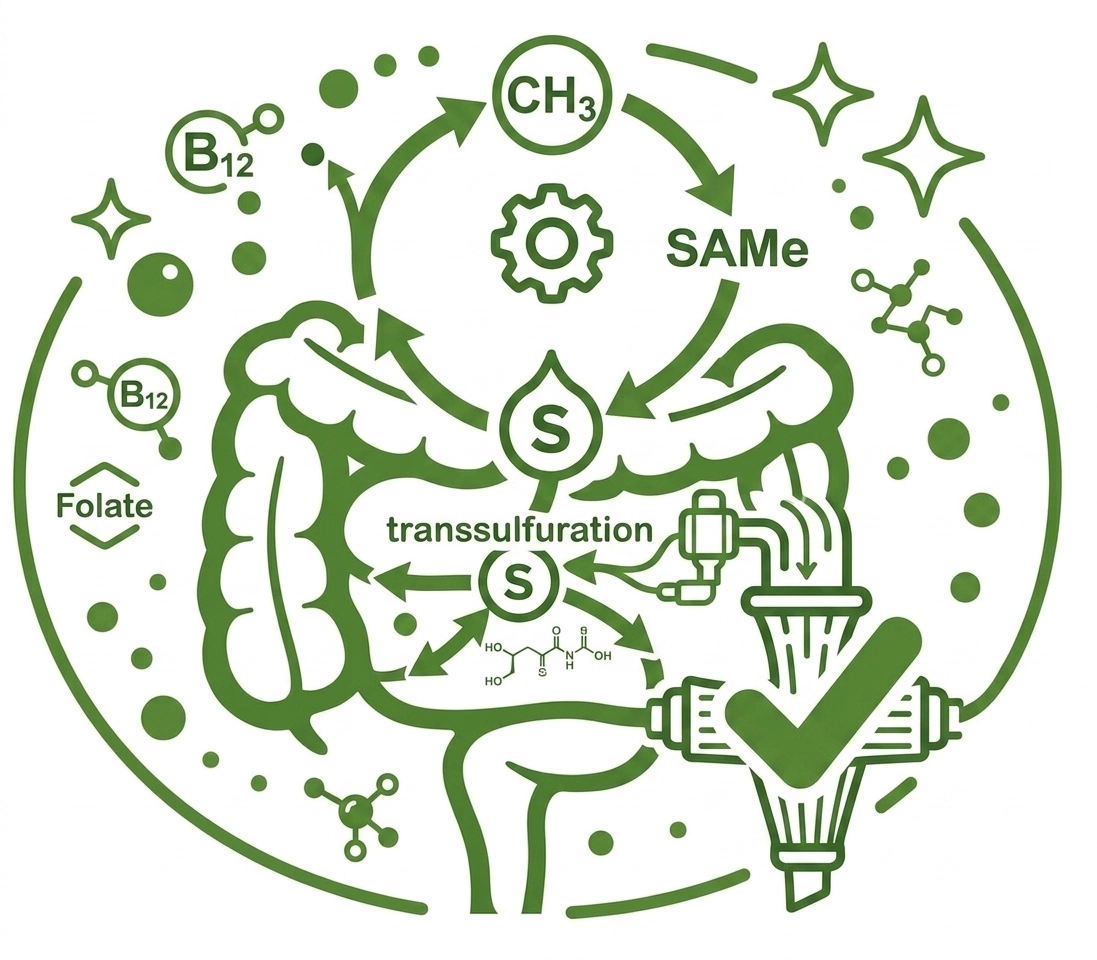
Your genetics may reduce your ability to process dietary B6 into its active form (PLP), creating functional deficiency.
Inherited Sulfite Oxidation Disorder may contribute to this symptom pattern under the right trigger conditions.
Your body may handle vitamin B6 within a narrow range, so even small changes from supplements or fortified foods can affect sleep, mood, and nervous-system sta…
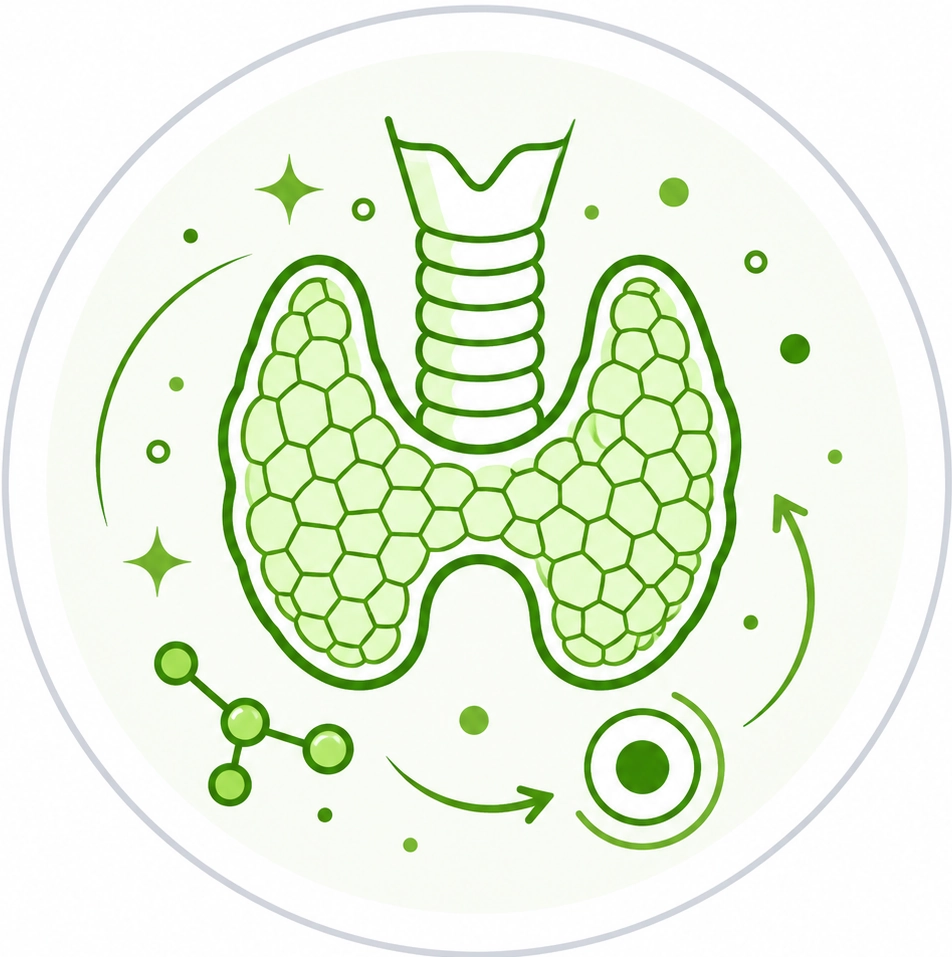
Your cells may have a lower margin for activating thyroid hormone into T3 where energy, temperature, mood, gut motility, and recovery depend on it.
Thyroid Axis Setpoint Bias may contribute to this symptom pattern under the right trigger conditions.
Autoimmune Thyroid Susceptibility may contribute to this symptom pattern under the right trigger conditions.
Glucose Hepatic Insulin Setpoint may trigger nighttime arousal through blood-sugar instability.
Lipids Triglyceride Export Partition may contribute to this symptom pattern under the right trigger conditions.
Mitochondria Deacetylation Complex1 Constraint may contribute to this symptom pattern under the right trigger conditions.
Iron Hfe Fibrosis Modifier may contribute to this symptom pattern under the right trigger conditions.
Magnesium Intake Renal Setpoint may contribute to this symptom pattern under the right trigger conditions.
Manganese Low Transport Reserve may contribute to this symptom pattern under the right trigger conditions.
Retinoid Carotenoid Delivery Conversion may contribute to this symptom pattern under the right trigger conditions.
Steroid Binding Synthesis Mismatch may contribute to this symptom pattern under the right trigger conditions.
Vitamins D Formation Transport Context may contribute to this symptom pattern under the right trigger conditions.
Sulfur Paps Sulfotransferase Constraint may contribute to this symptom pattern under the right trigger conditions.
Detox Nat2 Ephx1 Substrate Constraint may contribute to this symptom pattern under the right trigger conditions.
Monoamine Sulfation Capacity Context may contribute to this symptom pattern under the right trigger conditions.

A possible sensory-nerve contribution to burning, tingling, or irritation from particular exposures.
A possible inherited reason why chili pepper heat feels stronger to some people.
Cold and mint cooling can feel different from person to person, and they may not change in the same way.
These systems organize genetic evidence into areas for exploration. They do not diagnose a condition or establish that a biological problem is present.
Ready to explore your own patterns?
Upload your DNA file and start your personalized analysis.
Analyze Your Own DNA — Free